

BONA SFORZA AND SIGISMUND I THE OLD: FAMILY, GOVERNMENT, AND CHANGE IN LITHUANIA
In the 16th century, the Grand Duchy of Lithuania underwent a period of significant change, closely linked to the ruling couple—Sigismund I the Old and his wife Bona Sforza. Their marriage brought together different cultures and paved the way for innovations that transformed the life of the state.
Bona Sforza arrived in Lithuania from Italy—the center of Renaissance culture, where education, the arts, and a progressive outlook on society were cherished. She was accompanied to Poland and Lithuania by a large Italian entourage, many of whom remained there. Thus, not only new ideas but also European traditions of culture and lifestyle were brought to the ruler’s court.
Bona was an educated, politically active, and exceptionally energetic ruler. She not only governed vast lands but also actively participated in the administration of the state—resolving political, economic, and legal issues, strengthening the ruler’s authority, and caring for the future of the state. She came from a background where a woman could be not only a ruler’s wife but also an active participant in society and politics. This perspective differed sharply from the prevailing attitudes of the Polish nobility at the time, so Bona’s assertiveness often caused discontent. This critical assessment by her contemporaries eventually became part of her historical reputation.
Family played an important role in the lives of the rulers. Bona and Sigismund I the Old raised children who went on to play significant roles in European politics. Their eldest daughter, Isabella Jagiellon, became Queen of Hungary after marrying John Zápolya. Their daughter, Anna Jagiellon, later ruled the country alongside Stephen Báthory. Their youngest daughter, Catherine Jagiellon, became Queen of Sweden and Duchess of Finland. Meanwhile, her son Sigismund Augustus, through Bona’s efforts, was crowned Grand Duke of Lithuania and heir to the Polish throne while his father was still alive, thus ensuring the continuity of the dynasty and political stability.
Bona Sforza distinguished herself as one of the most important economic reformers in Lithuanian history. On her initiative, the land reform was launched—a land reorganization during which a unified land measurement system was introduced, land areas were precisely determined, and a three-field crop rotation system was implemented. Until then, there had been no common land measurement system in the Grand Duchy of Lithuania, so the reform brought order to land management and increased agricultural efficiency.
Bona also sought to strengthen state finances. She required landowners to prove their rights to their estates with documents—if this was not done, the land was assigned to the sovereign’s treasury. In this way, central authority was strengthened and state revenue increased.
The ruler actively promoted trade and urban growth—she established markets, granted privileges to towns, oversaw the economic activities of manors, and encouraged more efficient land use. These decisions contributed to the economic strengthening of the state.
Cultural changes were no less significant. Bona introduced vegetable-growing traditions, new foods and spices, as well as new table manners and hygiene practices to Lithuania. Thanks to her, orchards and vegetable gardens spread, dietary culture changed, and a Renaissance-style lifestyle took hold at the ruler’s court.
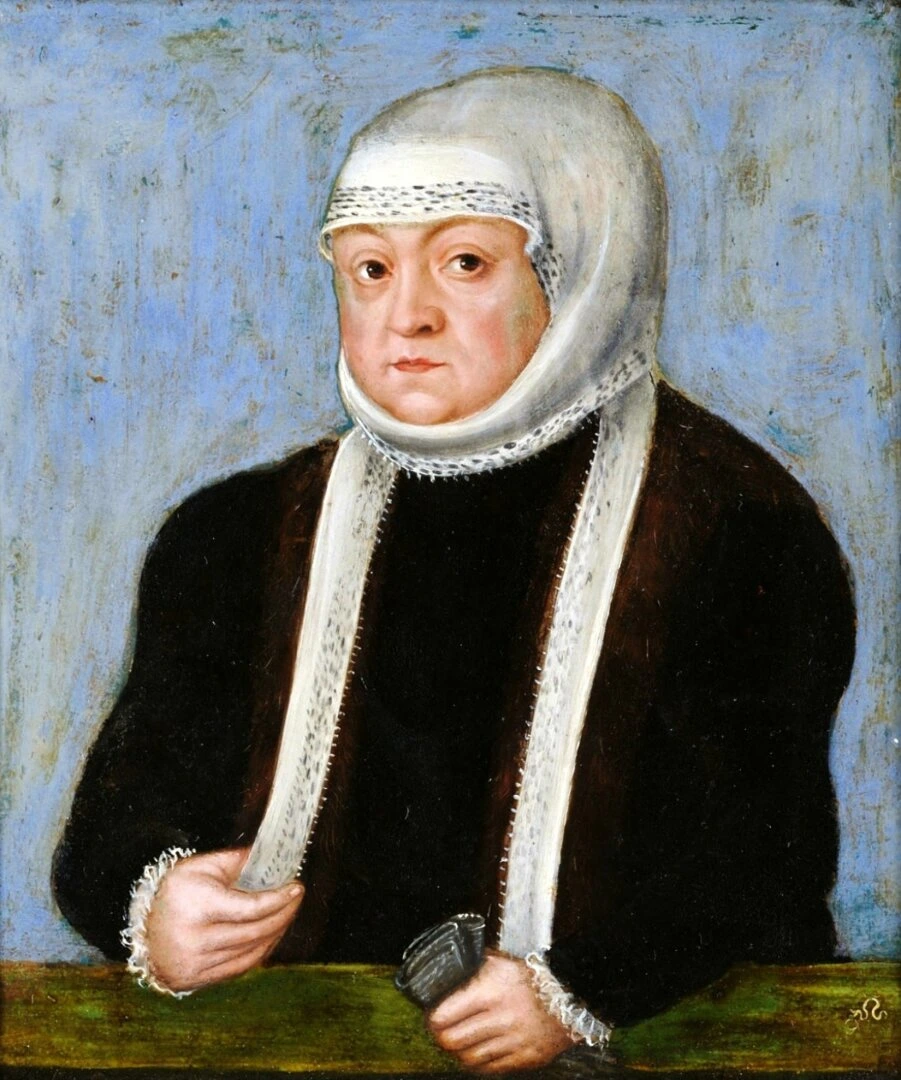
Bona Sforza. Lucas Cranach the Younger, c. 1556. National Museum in Kraków
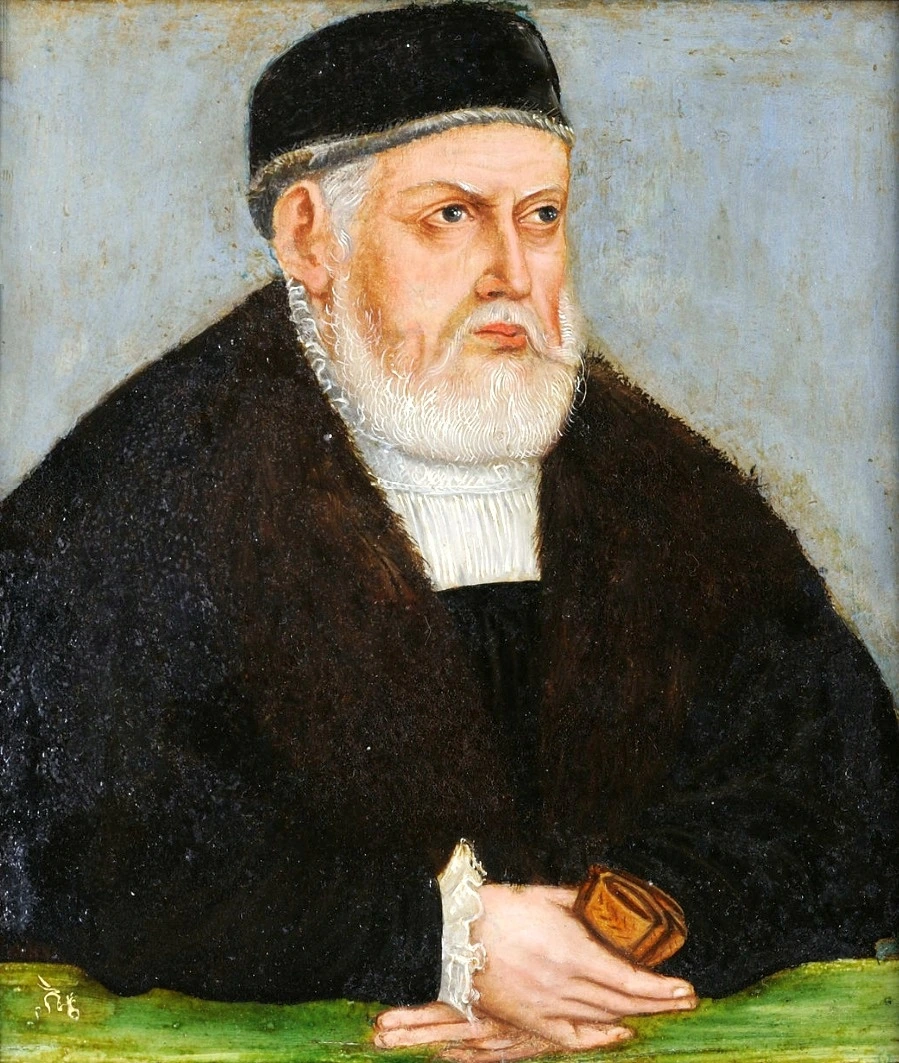
Sigismund I the Old. Lucas Cranach the Younger, c. 1553. National Museum in Kraków


